
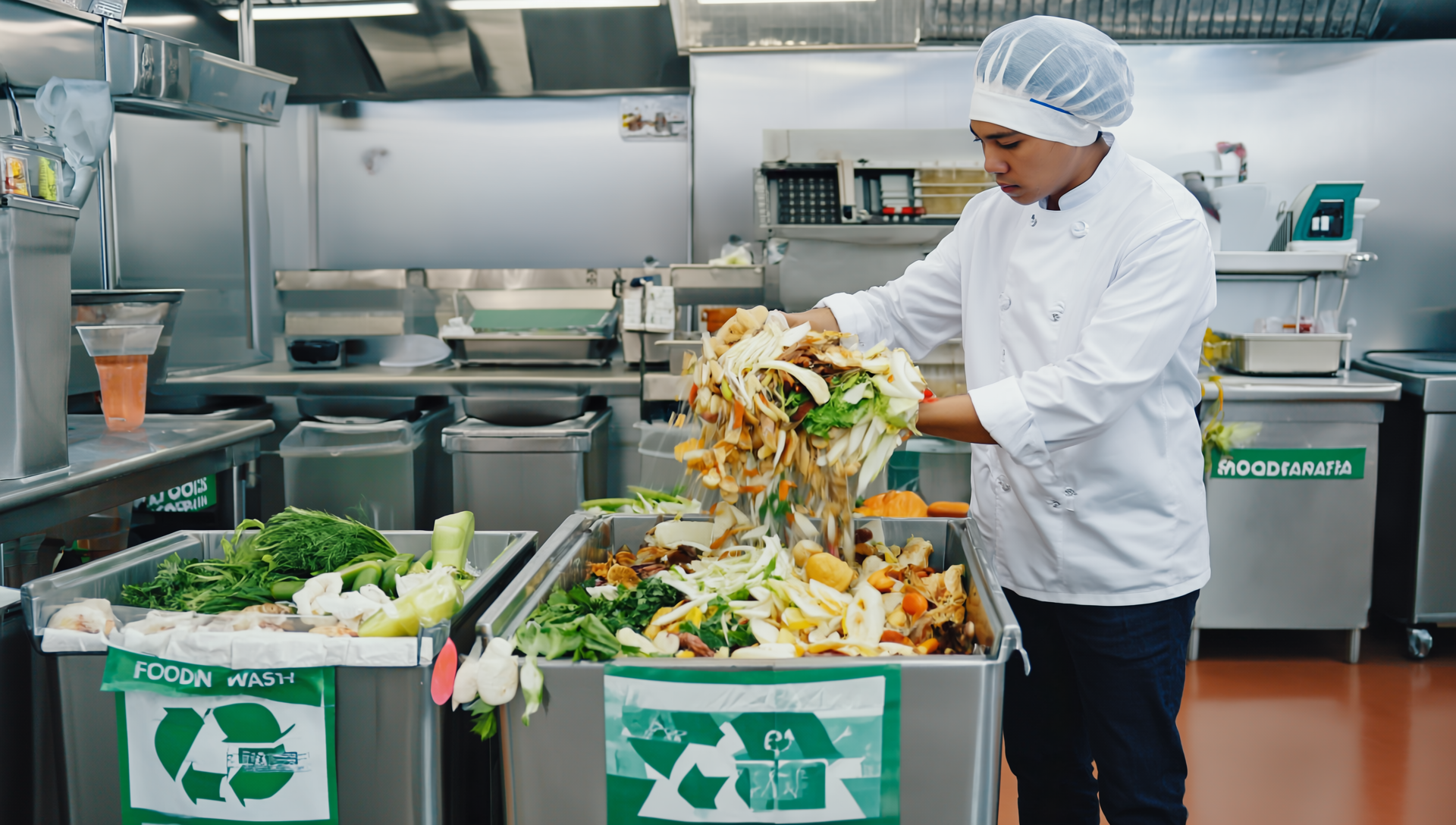
Understanding UK Food Waste Regulations
UK food waste legislation is shaped by several key laws. Overall, these laws aim to reduce waste and promote sustainable practices.
Waste Framework Directive
The Waste Framework Directive (2008/98/EC) establishes the foundation of waste management in the UK. Importantly, it introduced the “waste hierarchy,” which prioritises:
- Prevention
- Reuse
- Recycling
- Energy recovery
- Disposal (as a last resort)
As a result, this framework continues to guide how businesses manage waste, even post-Brexit.
Environmental Protection Act 1990
Under this act, businesses must manage waste responsibly. In particular, they must take reasonable steps to ensure proper handling and disposal.
This includes:
- Minimising waste production
- Storing waste safely
- Using authorised waste carriers
- Ensuring correct disposal
Therefore, businesses must remain compliant at every stage of the waste process.
Simpler Recycling Reforms (2025–2026)
New regulations now require businesses to separate food waste from general waste streams. For example, this applies to offices, hospitality venues, and retail businesses.
In addition, public sector organisations such as schools and hospitals must comply.
However, micro-businesses have until 31 March 2027 to meet these requirements.
To prepare, businesses should introduce dedicated food waste collection services and improve segregation practices.
Anaerobic Digestion (AD)
Anaerobic digestion offers a sustainable way to manage food waste. Specifically, this process converts food waste into:
- Renewable energy (biogas)
- Bio-fertilisers
As a result, businesses can reduce landfill use and improve environmental performance.
Key Legal Obligations for Businesses
Businesses must meet several legal requirements when handling food waste. Firstly, they must comply with Duty of Care regulations.
Duty of Care
Businesses must:
- Separate food waste from general waste
- Use licensed waste carriers
- Maintain accurate transfer documentation
In addition, proper record keeping ensures full traceability.
Food Waste Segregation
Businesses producing significant food waste must take extra steps. For example, they must:
- Store food waste separately
- Arrange dedicated collections
Therefore, effective segregation is essential for compliance.
Landfill Restrictions
UK regulations discourage sending biodegradable waste to landfill. Instead, businesses should prioritise recycling and energy recovery methods.
Reducing Food Waste
Although not always a legal requirement, reducing food waste remains important. In fact, it offers several benefits:
- Lower costs
- Improved sustainability
- Better environmental performance
Conclusion
Effective food waste management is both a legal requirement and a business responsibility. Overall, businesses that follow current regulations can improve efficiency and reduce environmental impact.
If you need support, NatWaste provides fully compliant waste management services across the UK.
Contact us
Our other articles :
2. Digital Waste Tracking System UK 2026 Explained