
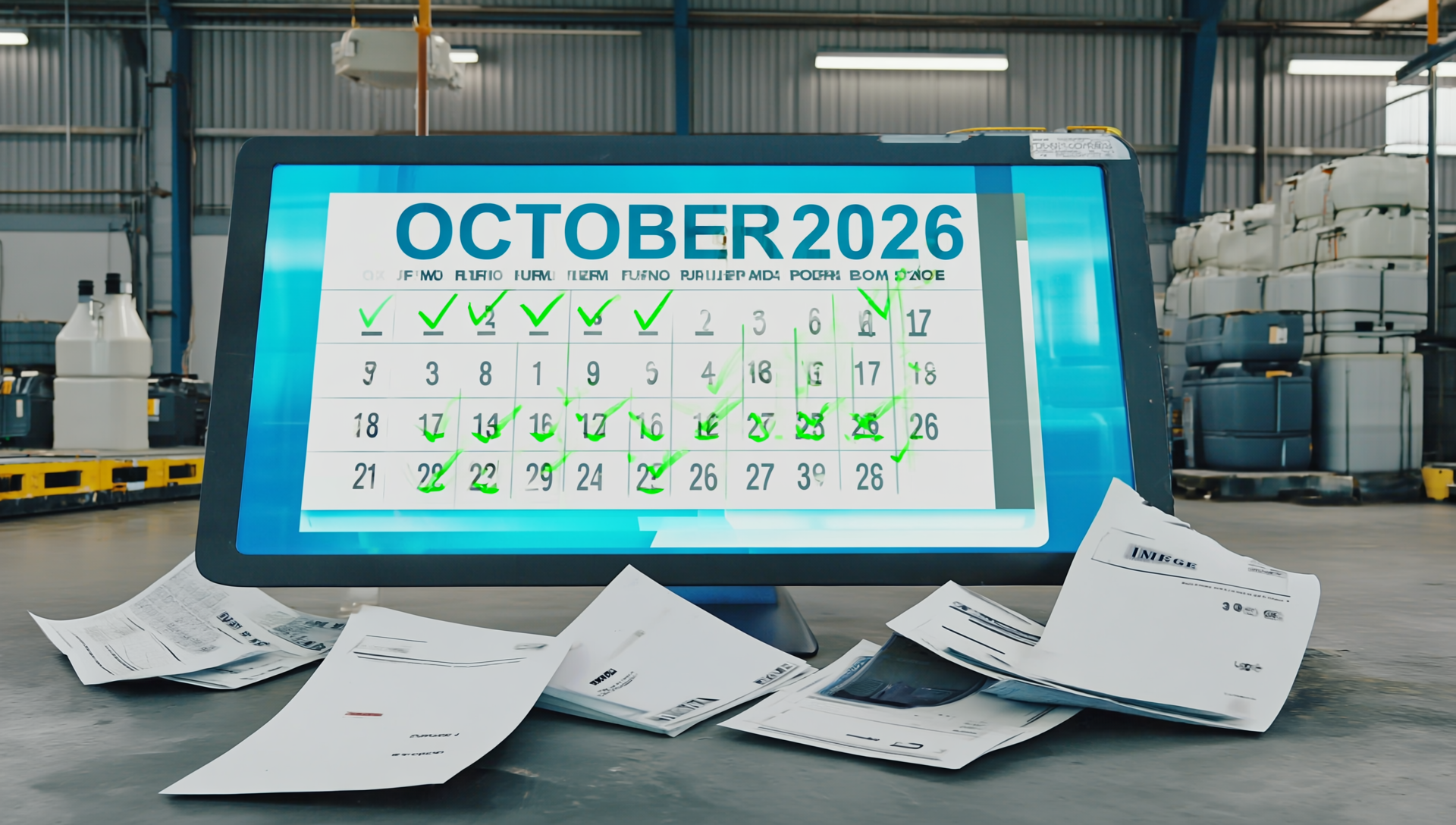
The UK waste management sector is preparing for a major transformation, as the government introduces the Digital Waste Tracking System (DWTS) from October 2026.
Currently, many businesses rely on paper-based records. However, these systems often create inefficiencies and errors. As a result, the government is introducing a fully digital solution to improve transparency and compliance.
What is Digital Waste Tracking?
Digital Waste Tracking records every movement of waste electronically. In simple terms, it replaces traditional paperwork with a central digital platform.
This means businesses can track waste from production through to disposal more accurately. In addition, regulators gain better visibility across the entire waste chain.
Phased Rollout Across the UK
The government will introduce the system in stages. Firstly, permitted waste receiving sites must comply from October 2026. Meanwhile, Scotland is expected to follow in early 2027.
Finally, all waste producers, carriers, and brokers must adopt the system by October 2027.
Key Requirements for Businesses
Under the new rules, businesses must record all waste movements digitally. Importantly, they must create records before waste leaves site.
In addition, businesses must update records within two working days. Therefore, companies need to review their internal processes to stay compliant.
Why This Change Matters
Illegal waste activity costs the UK economy over £1 billion each year. Because of this, the government is taking stronger action.
By introducing digital tracking, regulators can identify suspicious activity quickly. As a result, this approach reduces waste crime and improves recycling rates.
Impact on Construction and Commercial Businesses
Construction and commercial businesses will see a direct impact. For example, teams must now record skip movements and waste transfers digitally.
Therefore, working with a compliant waste partner is essential. In particular, businesses must classify and document waste correctly.
How to Prepare Now
Businesses should prepare immediately. Firstly, review your current waste processes. Next, improve on-site segregation and record keeping.
In addition, register with the Defra Waste Data Service. Finally, train staff so they understand the new requirements.
Conclusion
The Digital Waste Tracking System marks a major step forward for the UK waste sector. Overall, businesses that prepare early will improve efficiency and reduce risk.
📞 Call to Action
Need help preparing for new waste regulations? NatWaste provides waste management services across the UK.
Contact Us
Other Articles – UK Food Waste Regulations: What Businesses Need to Know in 2026 and Safe and compliant Hazardous Waste