
Lithium Battery Fires in UK Waste & Recycling Facilities
Lithium battery fires are becoming a major concern across the UK waste and recycling industry.
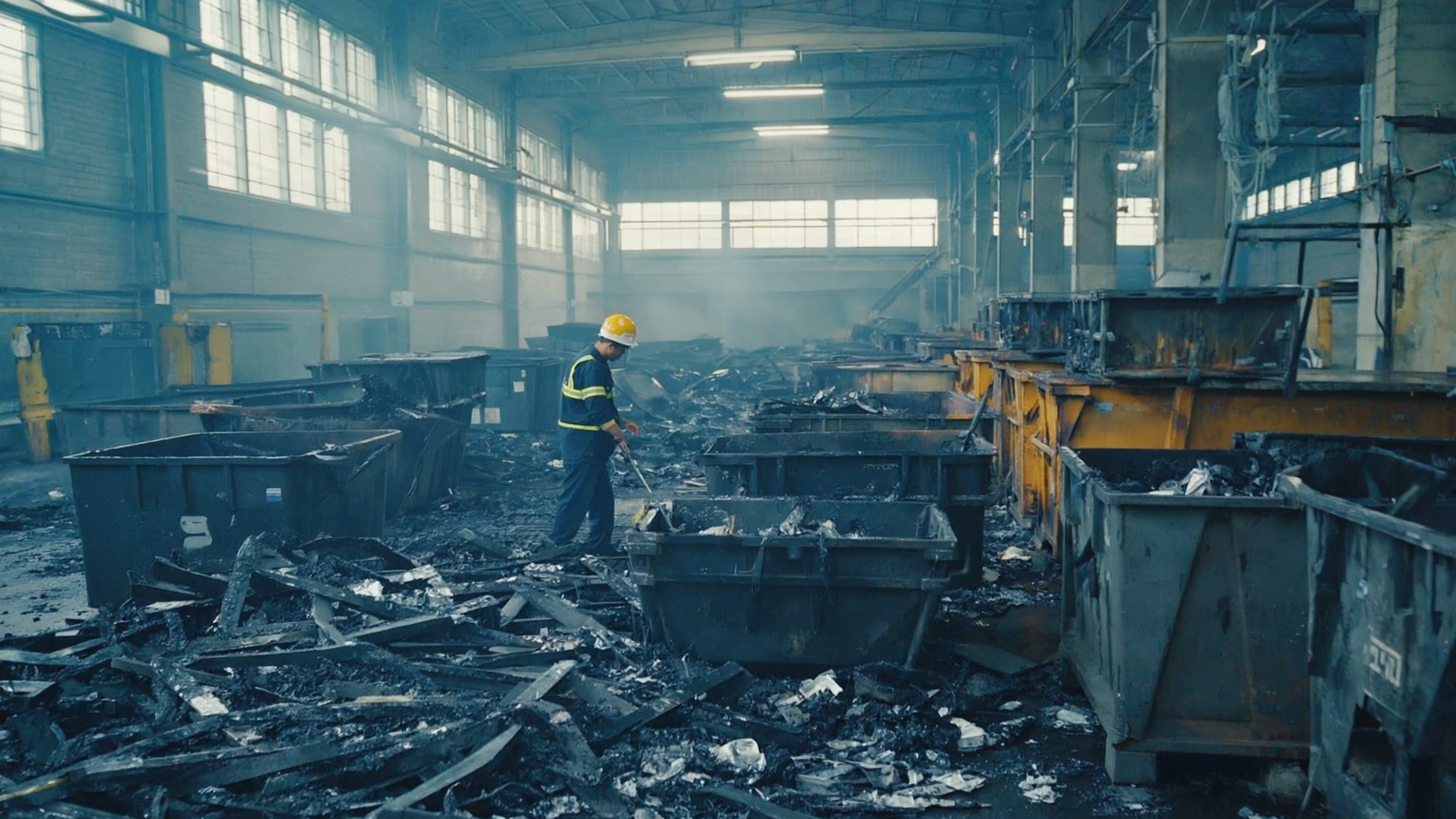
Recent reports show that firefighters now attend lithium-ion battery fires around every five hours. Because of this, waste collection vehicles, recycling centres, transfer stations, and processing facilities face growing fire risks throughout the country.
Why Lithium Batteries Are a Fire Risk
Lithium-ion batteries are commonly found in a wide range of everyday products
For example, these batteries are used in:
- Mobile phones
- Laptops and tablets
- Power tools
- Vapes and e-cigarettes
- E-bikes and e-scooters
- Portable electrical equipment
Although lithium batteries are highly efficient, they can become dangerous if damaged, crushed, overheated, or disposed of incorrectly.
Consequently, damaged batteries may enter a process known as thermal runaway. This can lead to fires, toxic gases, smoke, or even explosions during waste collection and recycling operations.
Why Battery Fires Are Increasing
The rapid increase in battery-powered products has significantly increased the number of lithium batteries entering the UK waste stream.
However, many people still place batteries into general waste bins or mixed recycling collections incorrectly.
As a result, batteries can become crushed or punctured during waste handling and processing activities. This increases the risk of fires within:
- Bin lorries
- Recycling centres
- Waste transfer stations
- Commercial waste containers
- Waste processing facilities
Furthermore, battery fires can spread quickly and cause serious damage to equipment, buildings, and vehicles while also creating major health and safety risks.
The Risks for Businesses
Businesses producing electrical waste or battery-powered equipment should dispose of these materials safely and responsibly.
Incorrect battery disposal can result in:
- Fire hazards
- Health and safety risks
- Environmental damage
- Property damage
- Operational disruption
- Potential compliance issues
In addition, businesses must follow Duty of Care regulations when managing hazardous and electrical waste.
Therefore, introducing proper waste segregation and battery disposal procedures is becoming increasingly important for businesses across all sectors.
How Businesses Can Reduce Battery Fire Risks
Businesses can significantly reduce battery-related fire risks by improving waste segregation and introducing safer disposal procedures.
Recommended steps include:
- Separating batteries from general waste
- Using dedicated battery recycling containers
- Arranging compliant WEEE collections
- Training staff on safe disposal methods
- Using licensed waste management providers
Furthermore, damaged or swollen batteries should never be placed into standard waste or recycling bins.
Instead, hazardous or damaged batteries should be isolated and disposed of using specialist hazardous waste management services.
Battery Recycling and Sustainability
Correct battery recycling not only improves safety but also supports environmental sustainability and resource recovery.
Many lithium batteries contain valuable materials that can be recovered and reused through specialist recycling processes.
As a result, responsible battery recycling helps reduce landfill waste, conserve raw materials, and support more sustainable waste management practices throughout the UK.
Furthermore, improving battery recycling rates can help businesses strengthen sustainability performance and environmental compliance.
How NatWaste Can Help
NatWaste Ltd provides reliable hazardous waste, WEEE recycling, and commercial waste management services throughout the United Kingdom.
Our experienced team can help businesses safely manage:
- Battery waste
- Electrical waste
- Vape disposal
- Hazardous waste
- WEEE recycling
- Commercial recycling collections
In addition, we provide flexible nationwide waste management solutions designed to improve compliance, safety, and recycling performance.
Furthermore, our experienced team can provide practical advice on waste segregation, hazardous waste handling, and environmentally responsible disposal routes.
Reliable Nationwide Waste Management Support
As battery-powered devices continue to increase across homes and businesses, safe disposal and recycling practices are becoming more important than ever.
NatWaste remains committed to helping businesses manage hazardous and electrical waste safely, responsibly, and compliantly.
Whether you require battery recycling, hazardous waste collections, WEEE disposal, or complete waste management support, our experienced team can provide practical advice and reliable nationwide service solutions.
Contact NatWaste Ltd today to learn more about our hazardous waste and recycling services.
Contact NatWaste Ltd today to learn more about our hazardous waste and recycling services.
Useful Links